How to Vet Your Developmental Editor
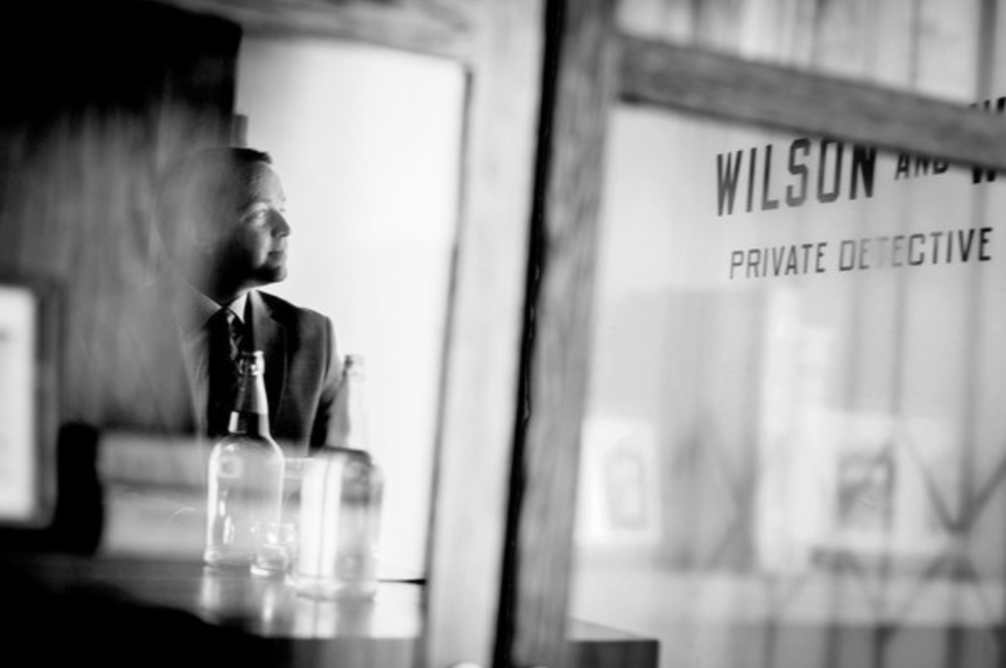
Word Sleuth at your service
It must be difficult for new writers. There are so many types of editing you might want, or need, to get your manuscript in shape. It can be confusing to know where to start.
The uninitiated typically think of editing as fixing the grammar and punctuation, and maybe making some helpful suggestions for the story. If they have heard of developmental editing, they misunderstand it as professional beta reading, which undersells the concept. It’s fair to say that a writer doesn’t fully understand the impact, value, and function of a developmental editor until after they have taken the leap and had their manuscript edited. As they have no basis for comparison, they may accept subpar work as professional quality.
It doesn’t help that editors with no experience or training offer developmental editing as a service when it requires an entirely different skill set from the type of editing they do. With all that in mind, there are a few things you can do as a writer to make sure you hire a developmental editor who has real experience in the field, and isn’t just a moonlighting grammarian. Below is a list of things to look out for when researching developmental editors before taking the plunge.
1) Proven track record. This is important because editors’ credentials can be confusing. For instance, an editor who put a bestseller into paperback production after a successful hardcover life can call themselves the book’s ‘editor’ without ever having laid a finger on a word of the book’s content. And, it’s totally legit. A book’s paperback editor has nothing to do with the content; they have just put the paperback version into production, maybe with a new cover and revamped back cover copy. Hopefully, they have read the book.
Moreover, there are any number of hardcover editors at Big 5 Publishing companies who do little to no editing on their writers’ books. Editing at large companies is largely about acquisition and positioning the book within the company. Editing itself is done less and less. Proximity to famous authors may be glamorous, but it will do little to make your book a better, more salable read.
The best credentials your developmental editor can have are verifiable, independently published hits in your chosen genre. This way, you know they have actually edited the book, and you know their editing was effective.
Even better: Repeat clients. Word Sleuth has many. Clients who are award-winning, high-selling indie authors.
In short, there is no substitute for verifiable publications.
2) Responsiveness and communication. You don’t need a prima donna. Not when you are paying thousands of dollars for an edit. Your editor should be an involved creative partner, not a guru on a hill that you need a homing pigeon to reach.
3) They demonstrate a personal connection to your book. This means reading and responding to the sample you sent them (and they should be asking for a sample). This does not mean a free sample edit. That is a divisive topic, as free labor is rarely expected in other professions. I don’t always do a sample, but I always respond to the writing I was sent.
4) Genre fit. If the editor has been doing developmental editing on romance books for the past five years, and you’ve got a cozy mystery, don’t expect that their skills are transferable. Conventions for genres are different, so I’d advise finding an editor with credentials and experience in your genre.
5) Transparency. They should send an offer letter that thoroughly details what you can expect from the edit. Will it be critical, or also include creative suggestions? Do they give you an idea about how many reads they will give your book? (With Word Sleuth, it’s 2-3.) Do they give you an idea about how long their editorial letter will be? (In my house, it’s 7000-10,000 words for a full-length work.)
It’s also important that an editor is transparent about the use of AI in their edits. Is it organizational? Is it generative? Who is writing your editorial letter?
You should also be able to request a Work for Hire Agreement, which outlines the legal obligations of both sides. These agreements protect the author’s copyright and the editor’s ability to get paid in a timely manner.
6) Follow-up availability. Do they send some notes and send you packing? A developmental editor’s job extends beyond the edit. Sometimes it takes weeks for a writer to fully incorporate the editor’s comments. This means there may be questions that pertain to the edit weeks, even months, later. A developmental editor should be invested enough in the writer and project that this is not a problem. It’s not a hit-and-run job.
So, here’s the cheat sheet of questions to ask any potential developmental editor:
Have you edited indie works that I can find on Amazon and other platforms?
Will you look at my sample to know if we are a good fit?
What, exactly, are the parameters of your developmental edit?
Do you use AI, and, if so, how?
Do you offer a Work for Hire Agreement?
Can I reach out to you before, during, and after the edit?
Can I ask questions about the edit after you’ve sent the editorial letter and comments?
Finally, you should just click with your editor. With the content on their site, with their correspondence, with the vibe you get from them. Ask questions and know that any good editor will also be asking questions of you.