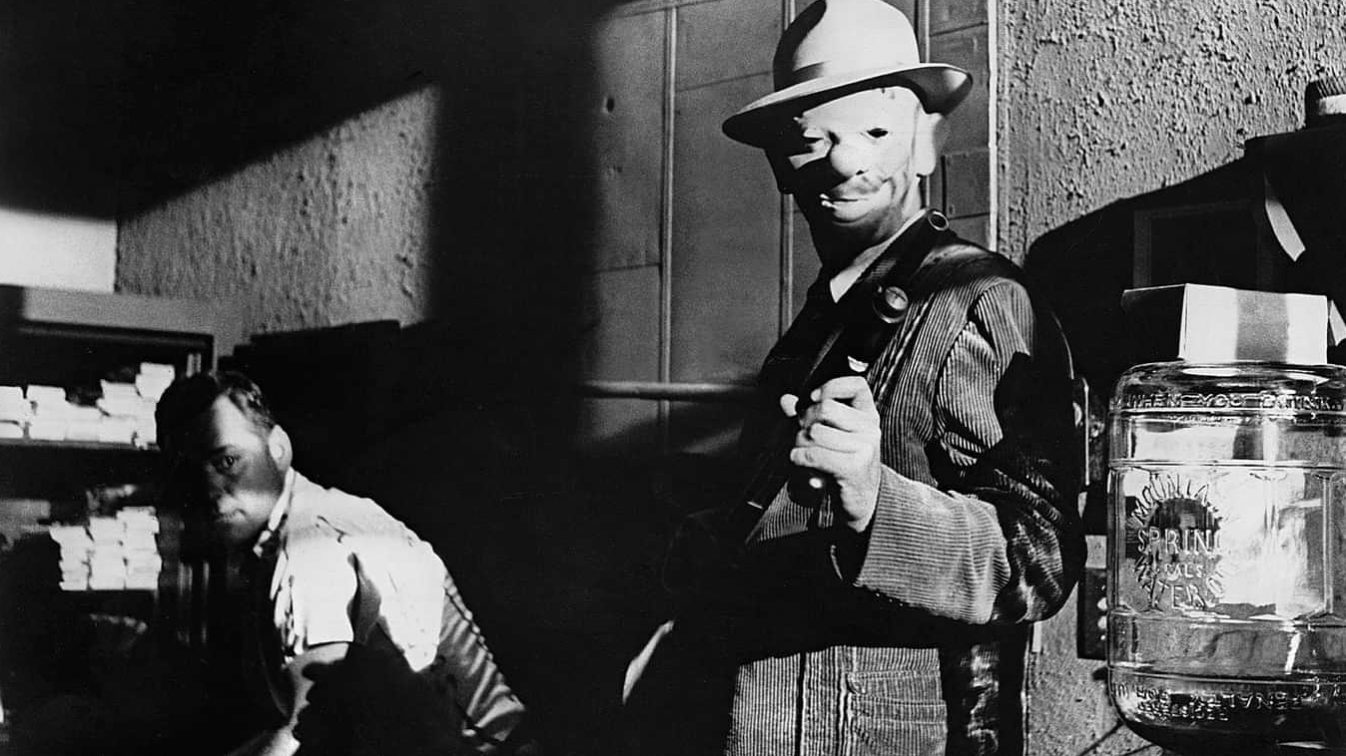
A masked Sterling Hayden
There’s a long-standing principle in crime fiction about plans—especially the plans criminals make. Heists, jailbreaks, elaborate getaways. The principle is simple:
If the plan goes perfectly, summarize it.
If the plan fails, tell that story.
In the manuscripts I edit, I frequently see novice writers concocting a failsafe plan for their protagonists to execute, then have it go off like clockwork. But that misses the point of narrative, which is driven by conflict. A plan that succeeds contains little conflict. A plan that goes wrong, however, places the conflict at the characters’ feet. And conflict is the gas in any narrative engine.
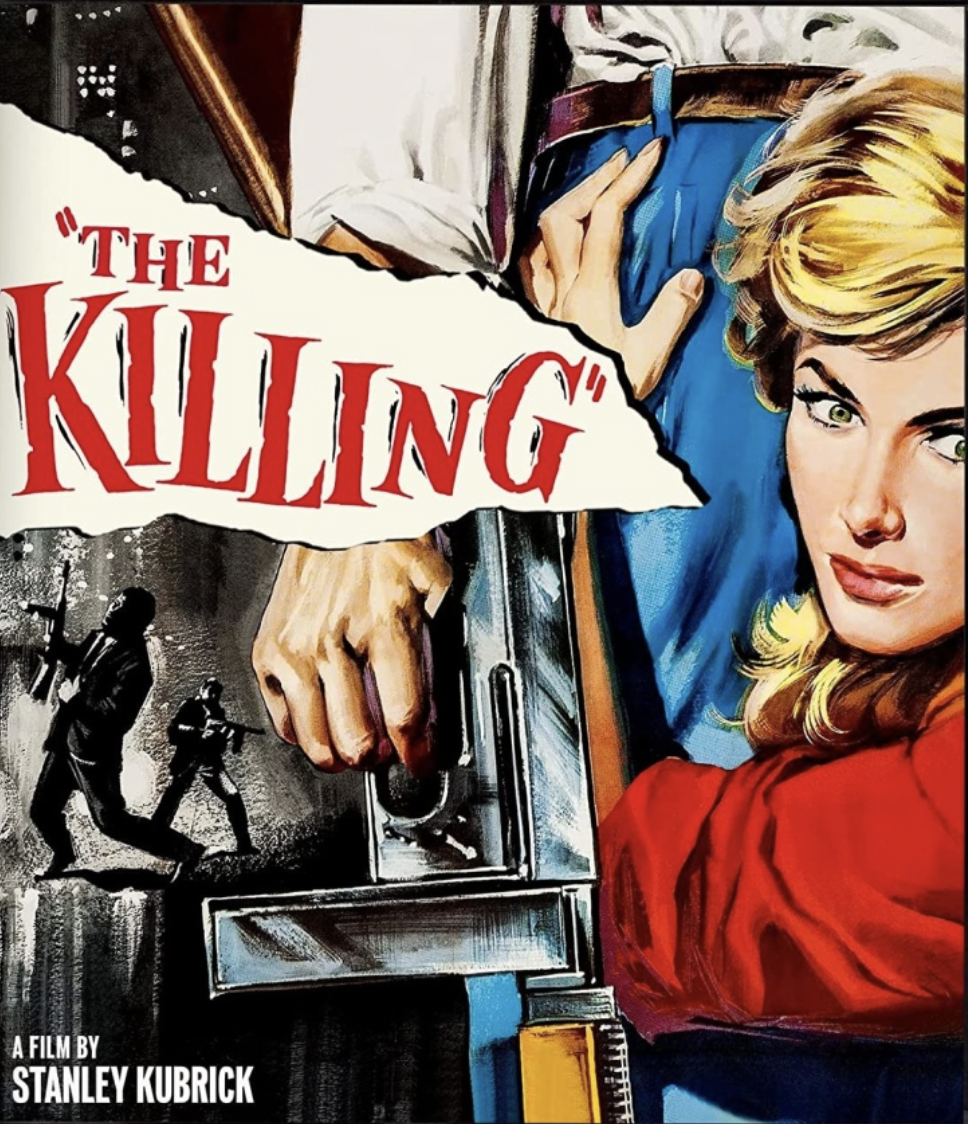
One of the best examples of this principle appears in the classic noir film The Killing, directed by Stanley Kubrick and co-written with crime novelist Jim Thompson. The film is built entirely around a meticulously planned racetrack heist whose slow collapse becomes the engine of the story.
Crime fiction is filled with narratives where a failed plan is pivitol to the plot. You can see it in Dog Day Afternoon, the French New Wave thriller Ascenseur pour l’échafaud (Elevator to the Gallows), and in much of Richard Stark’s Parker series—especially The Handle—and more recently in Blacktop Wasteland by S.A. Cosby.
But few works illustrate the principle as completely as Kubrick’s The Killing, in which the gradual disintegration of the plan is the story.
The Perfect Heist Plan
The Killing pushes the “failed plan” principle to its limit. What makes it interesting is that his criminal gang is capable and methodical, unlike the underworld half-wits of Coen Brothers’ films, whose bungled plans center on the criminals’ ineptitude.
With The Killing, the force against them isn’t their own ineptitude, it’s fate.
The film begins with a seemingly perfect scheme. A racetrack holds large sums of cash from betting windows, concessions, and the day’s take. Security is lax.
Johnny Clay (Sterling Hayden) assembles a team, each member carefully chosen for a specific role. From a crooked cop to a racetrack insider, every detail is accounted for. The plan is engineered with obsessive precision.
Kubrick emphasizes this with a stern, narrator whose commentary marks each stage of the operation: “It was 9:20 when he arrived at Mike’s apartment. So far, everything had gone according to plan,” he intones in a voice that is sharp and precise, like the blade that’s cutting a jigsaw puzzle.
The narration ticks forward like a stopwatch, reinforcing the illusion that the plan is unbreakable.
The First Crack in the Plan
Of course, it isn’t.
The first failure comes from a henpecked racetrack employee desperate to impress his dissatisfied wife, Sherry Peatty (Marie Windsor). In an attempt to win her admiration, he hints at the riches he’s about to acquire.
Doing some sleuthing, she quickly pieces together the entire robbery.
Sherry then launches her own scheme to double-cross the gang and steal the money for herself and her thuggish lover. Her betrayal triggers a domino-effect of violence that ultimately kills most of the conspirators.
But even without her interference, the plan would likely have failed. Kubrick constructs what feels like an indestructible machine, only to demonstrate how easily human weakness and chance can break it apart.
Fate Delivers the Final Blow
Remarkably, despite betrayal, violence, and mounting chaos, Johnny Clay still manages to escape with the money.
For a moment, it appears the the heist has succeeded. But when fate is your adversary, you can only run so far, so fast.
At the airport, as he and his gal make a getaway with the loot, a small dog breaks free from its leash. A suitcase lock pops open and hundreds of thousands of dollars scatter across the runway, blown away by the prop wash of an airplane.
After surviving every human obstacle, the plan collapses because of pure chance. It is a bleak but fitting ending, almost Grecian in tragi-comedy.
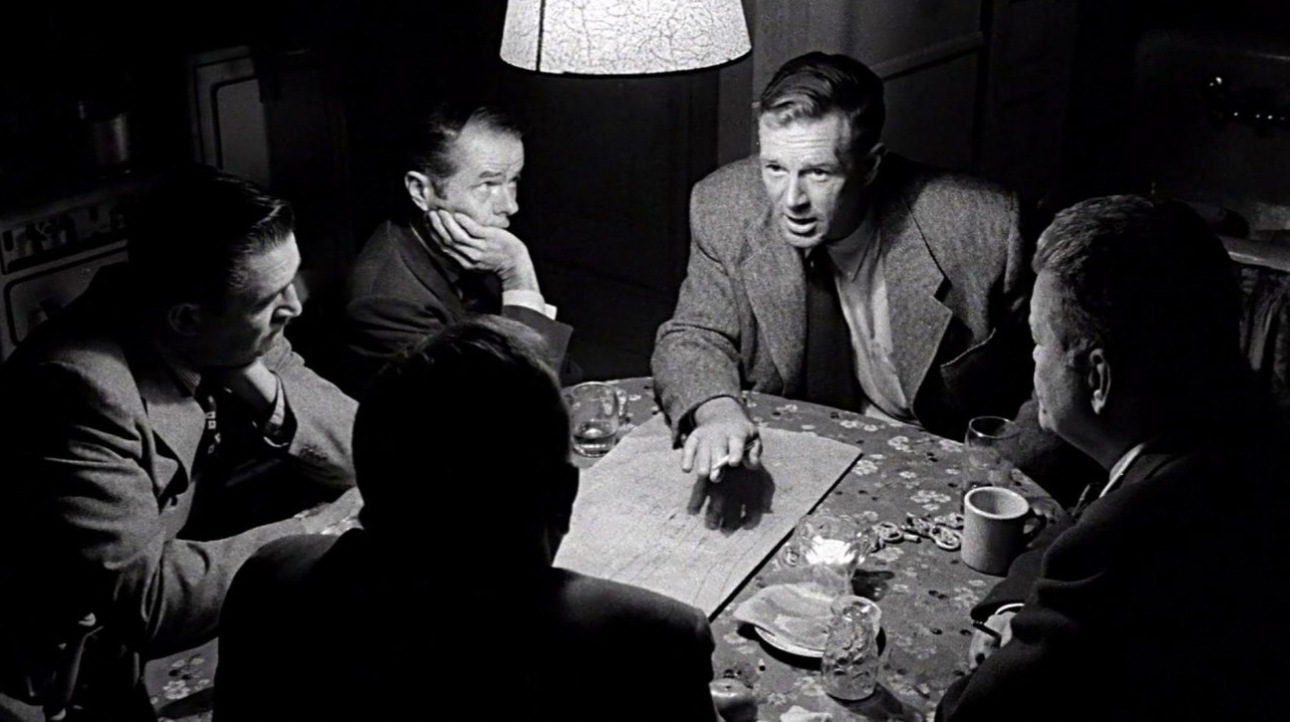
“Here’s the plan!”
Conflict Is the Engine of Crime Fiction
For crime writers, The Killing demonstrates a fundamental truth: Conflict fuels narrative.
Readers want the best for characters they invest in, but it’s the struggle, the obstacles that reveal character: we read for the struggle. Carefully constructed plans create tension precisely because we know they will be tested.
There is something to be said for competence (see my post on Drive). But what goes wrong with carefully laid plans is frequently out of the hands of the competent protagonist. Competent protagonists are compelling—but competence alone is not enough. The real drama comes from what happens when competence is muted by fate.
Plans fail because of:
betrayal
human weakness
bad luck
mechanical failure
simple accident
In crime fiction, the universe itself often seems determined to sabotage success.
How a Protagonist Responds to Failure
What matters most is how the protagonist responds. Johnny Clay proves remarkably adaptable. He pivots, improvises, and overcomes multiple disasters throughout the heist.
But even the most capable criminal can only absorb so much bad fortune.
After the suitcase bursts open and the money blows across the airport runway, Clay watches three taxis pass him by as police close in. His girlfriend urges him to run.
His response is akin to defeat and accepting his fate: “Eh… what’s the difference?”
No amount of planning and competence can out-maneuver fate. His team shared the same fate, only it was less protracted.
Kubrick, Jim Thompson, and the Noir Tradition
The Killing remains one of Kubrick’s early masterpieces, and its influence runs deep. You can see its DNA in modern crime storytelling—from Donald Westlake’s novels to Quentin Tarantino’s fractured narrative structures.
Co-writer Jim Thompson built an entire career on characters battling against fate. His novel The Getaway explores the same theme: the more meticulous the plan, the more spectacular its collapse.
Kubrick himself would return to similar ideas later. The Shining is, in its own way, another story about a plan gone wrong, though it is more existential than The Killing.
The Lesson for Crime Writers
For crime writers, the takeaway is simple:
The better the plan, the more it needs to fail.
In crime fiction, exposing worlds as imperfect, revealing greater forces than your desires and intellect, is part of the genre’s appeal.
Other Stories About Plans Gone Wrong
Reservoir Dogs
Before the Devil Knows You're Dead
A Simple Plan
The Bank Shot
The Asphalt Jungle
Matt Henderson Ellis is a writer and developmental editor.